
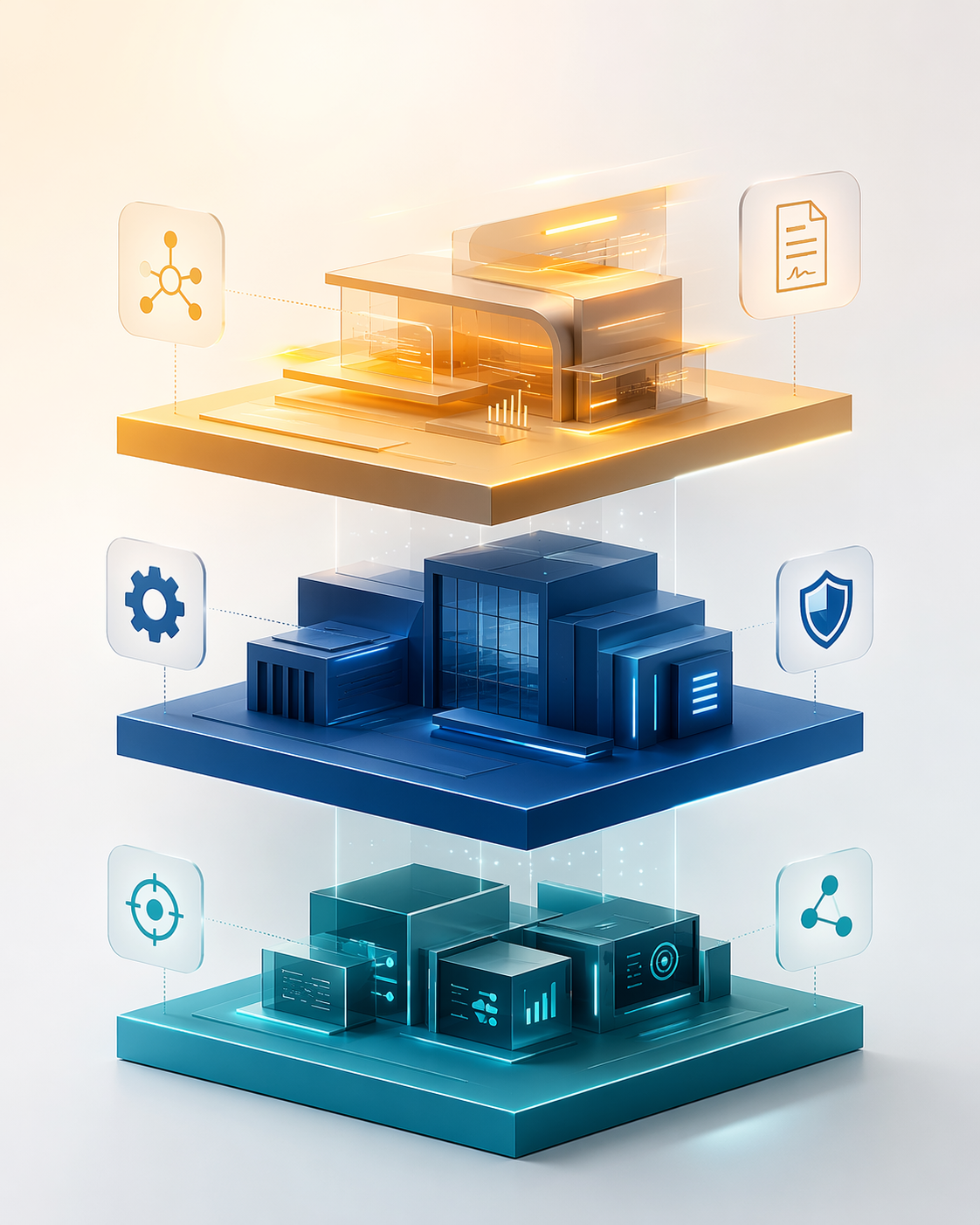
Dozens of procurement AI tools now claim leadership, but they are not competing in the same architectural lane. Some are designed to show value quickly on a narrow pain point; others are embedded in broad source-to-pay programs; a third group is built to do one job unusually well.
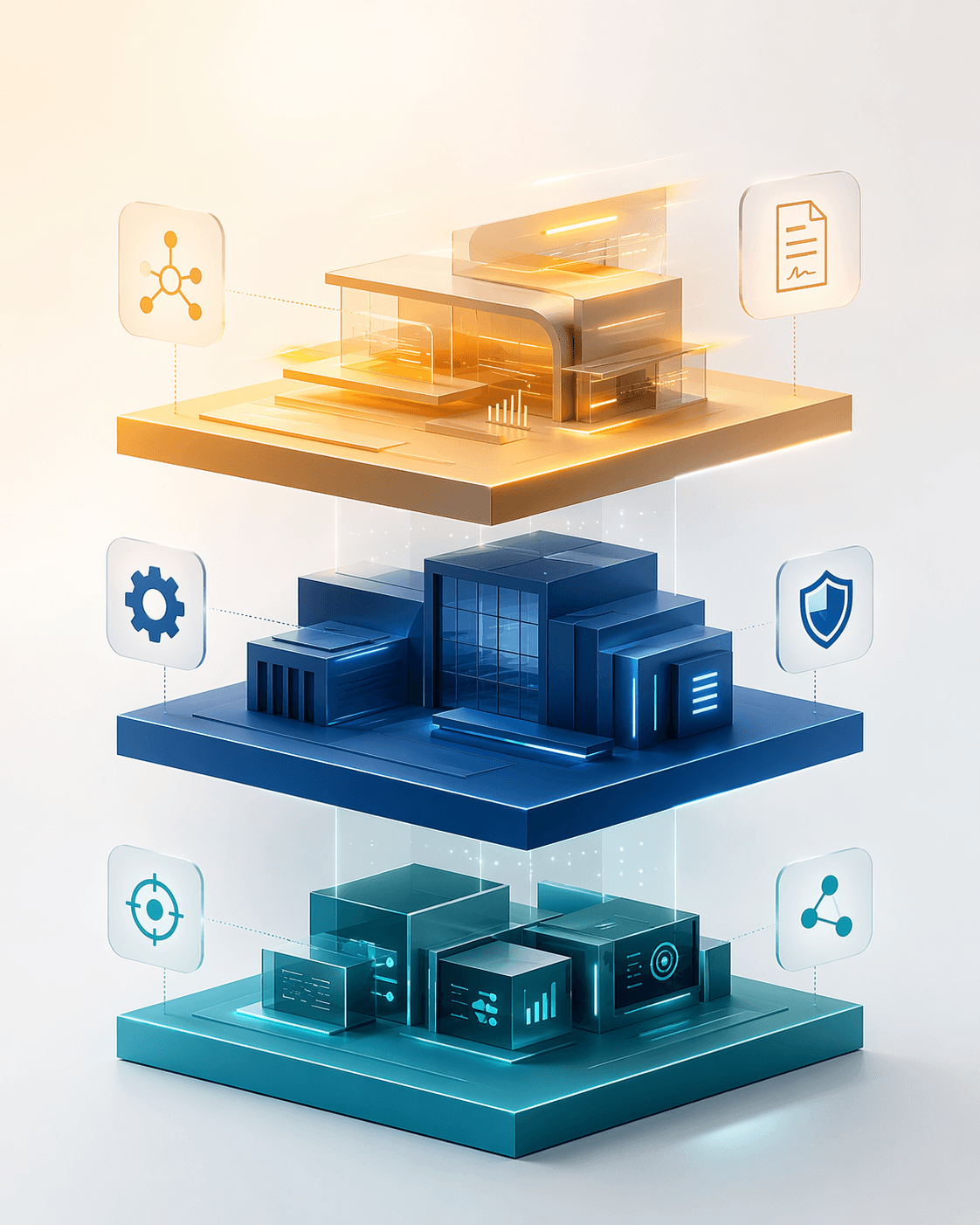
The market is really three tiers
| Tier | Typical pain-point fit | Deployment horizon | Data-readiness burden | Coverage breadth | Integration complexity | Likely buyer profile |
|---|---|---|---|---|---|---|
| AI-native platforms | Spend visibility, intake chaos, contract triage, tail-spend leakage | 45–90 days [2] | Moderate to high; value appears faster when the relevant spend, supplier, and contract data is already usable | Narrower than a full suite | Medium; they still need access to ERP, contract, and spend data | Teams that want a visible result in one quarter |
| Established S2P suites | End-to-end process fragmentation, governance, standardization, policy enforcement | 6–12 months [3] | High; these programs usually depend on broader cleanup across master data and workflows | Broadest | High; breadth usually brings more dependencies | Enterprises that want one operating model across procurement |
| Specialist tools | Autonomous sourcing, tail-spend negotiation, contract review | Varies by use case | Focused; the tool performs best when the surrounding data and workflow are already defined | Narrowest, by design | Usually highest relative to scope, because the tool has to fit into the existing stack | Buyers with one repetitive task to optimize |
A market overview pegs AI procurement software at about $3.3 billion in 2025 and roughly $14.6 billion to $22.6 billion by 2033–2034, while other estimates in the brief run higher still. The same overview says software accounts for about 70% of revenue and cloud deployment about 72%, which helps explain why the category looks crowded on the surface but splits cleanly once architecture and operating model are in view. For a deeper binary framing of orchestration versus suite architecture, see this architectural decision framework.
AI-native platforms earn their keep on speed, not breadth
AI-native procurement platforms such as Suplari, Zip, Levelpath, Keelvar, and Pactum are usually bought for one reason: the buyer wants something visible this quarter, not after a year-long transformation program. Their appeal is that they can connect to a slice of spend, supplier, or workflow data and produce a usable outcome fast enough to matter in a current planning cycle [2].
That speed is not magic. It usually comes from narrower scope, a willingness to work with less-than-perfect data, and a product design that optimizes for one workflow instead of the whole source-to-pay chain. The tradeoff is obvious once procurement asks who owns the integration work and how far the recommendation engine is allowed to act without human review.
Established S2P suites still matter when the problem is fragmentation
Coupa, Ivalua, SAP Ariba, GEP, and Zycus are not the fastest way to get a first win, but they are often the most defensible answer when the real issue is process fragmentation across intake, sourcing, contracting, purchasing, and supplier management. Their strength is breadth and governance: one control plane, one policy layer, and fewer handoffs for the business to improvise around [3].
The cost of that discipline is time. Full suite programs typically run on a 6–12 month horizon, and they ask for more change management, more data cleanup, and more patience from the operating team. They also tend to carry higher total cost of ownership because breadth brings more configuration and support overhead. That is not a flaw if the organization actually needs standardization; it is a bad fit if the main pain point is one narrow process that needs relief now [3].
Specialist tools win when one task is the whole problem
Specialist tools are the clearest proof that procurement AI tools should not be treated as one bucket. Autonomous sourcing, tail-spend negotiation, and contract review each have their own buying logic. A tool that is unusually strong at one of those tasks can outperform a broader platform on that task precisely because it is not trying to solve everything else at the same time.
Keelvar reports 50–70% reductions in sourcing event cycle times and 2–8% additional savings, while Pactum reports 2–5% average savings from autonomous tail-spend negotiation, with some categories reaching up to 10%. Those are vendor-reported outcomes, so they should be read as directional evidence rather than universal proof, but they do show why specialists can look impressive when the use case is tightly bounded [4].
The integration burden does not disappear in this tier; it shifts. A specialist still has to sit inside the surrounding contract, ERP, spend, and approval environment, which means the buyer inherits the architecture work even if the vendor owns the AI logic.
Pilot enthusiasm is high; scaled adoption is not
That is why raw enthusiasm is a weak selection signal. In a 2026 industry overview, 94% of procurement executives said they use GenAI weekly, but only 4% had scaled it [5]. The lesson is not that AI is overhyped; it is that many teams have found a useful pocket of value without yet solving the data and governance conditions needed to expand it. That warning also fits the broader pattern that most enterprise AI pilots do not reach measurable ROI.
Five vendor questions that cut through the demo
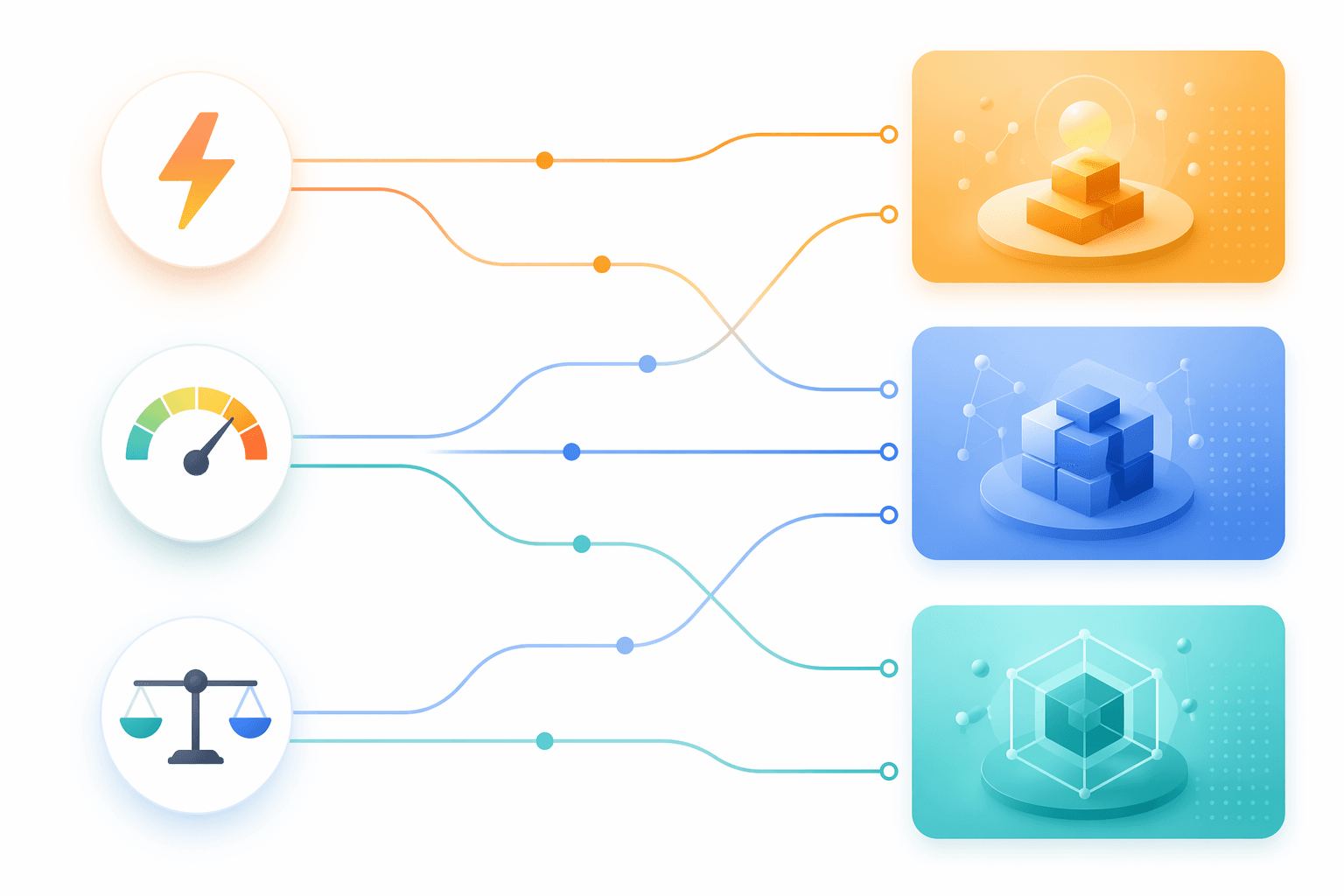
The quickest way to separate a serious shortlist from a persuasive demo is to force every vendor to answer the same five questions in the same language.
- What data must already be clean before value appears?
- What deployment timeline is realistic for our environment?
- What procurement scope is covered natively, and what is outside the product boundary?
- What integrations are required with ERP, supplier, contract, and spend systems?
- What governance model controls AI recommendations or autonomous actions?
Readers who already know the question is rollout sequencing, not tool selection, can use this phased implementation roadmap. In 2026, procurement AI selection is less about finding the market leader than about matching architecture to the actual pain point, the state of the data, and the organization’s tolerance for speed versus coverage.
References
- Procurement AI Software Options 2026 — Viewpoint Analysis
- Top 10 AI Procurement Tools — Suplari
- AI Procurement Software — Ivalua
- AI Procurement Real World Use Cases Delivering Measurable ROI — CASME
- State of AI in Procurement — Art of Procurement
Comments
Join the discussion with an anonymous comment.