
The problem is rarely that a storm exists; it is that procurement learns about it at the wrong scale. A regional weather feed can warn that a coastline is exposed, but it does not tell a risk manager which named supplier site sits in the flood path, which tier-3 part actually feeds the line, or how much lead time is left to move stock before the window closes.
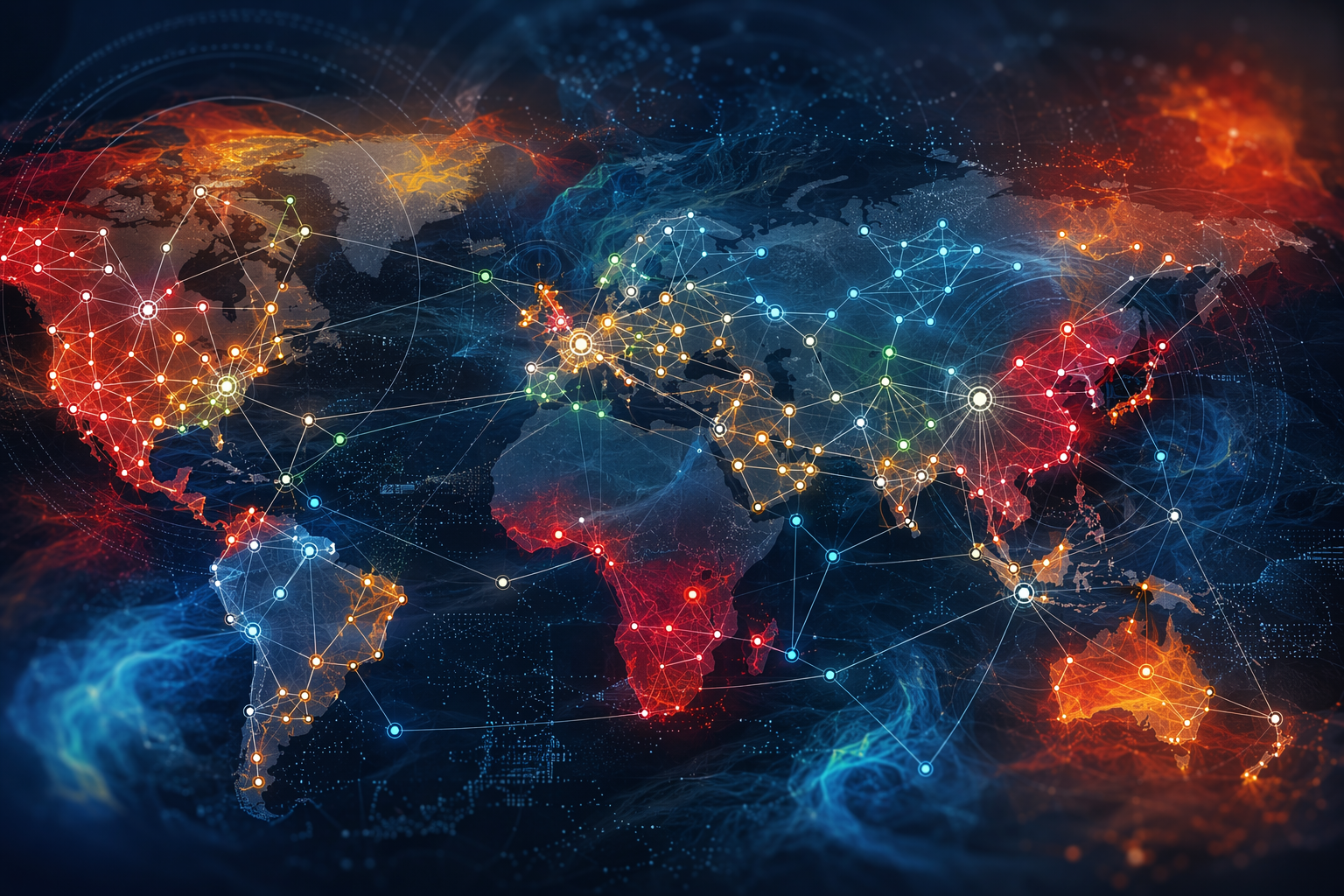
That is where ai for supply chain climate risk planning starts to matter. These platforms score supplier locations instead of broad geographies, then overlay physical hazards such as flood, cyclone, drought, heat stress, wildfire, and sea-level rise on the sites that actually feed the network. Everstream says its Climate Risk Scores cover eight IPCC-aligned indicators and project exposure through 2040, 2050, and 2100; the buyer-facing point is not the forecast horizon by itself, but the ability to turn a site score into a sourcing decision.[4]
Hitachi's Digital Observatory uses ClimateAi's API to watch cyclone risk at supplier locations months ahead, which gives procurement officers time to adjust stock volumes and renegotiate contract terms before storm season starts. That is a different job from reading a weather alert after the supply plan has already locked.[1]
Cooper University Health Care used Interos catastrophic risk intelligence to identify three suppliers in Hurricane Idalia's path and place pre-storm orders that kept the network from running out of critical supply. The value is not the alert itself; it is the chance to convert an incoming hazard into an order that lands before the outage does.[2]
What The Platforms Actually Do
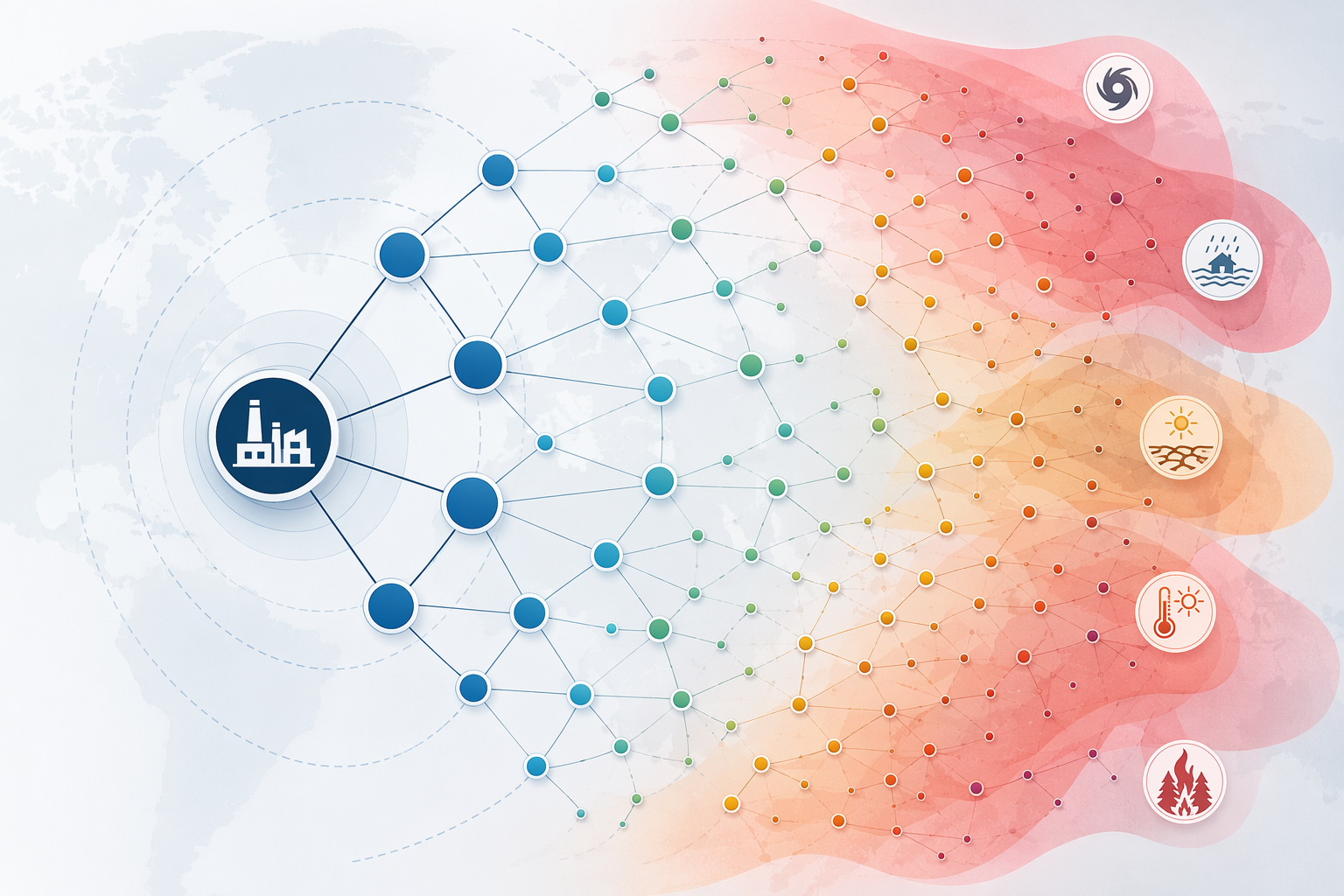
The useful systems do more than label a region as risky. They tie a disclosed supplier address to a hazard model, then translate that exposure into a decision the buyer can use: pull inventory forward, diversify a source, or reopen a contract before the season turns. That is why site-level scoring matters so much in the tier-2 to tier-4 blind spot. Once the network moves beyond the obvious supplier, the map gets harder to maintain and the old spreadsheet habit of treating an address as a static line item stops working.
The roofing materials case is a clean example of upside. ClimateAi says one producer used hurricane forecasts to pre-position inventory and capture an additional $15 million in sales from post-hurricane demand that competitors could not satisfy.[3] That is not a climate-awareness story; it is a timing story. The forecast only mattered because somebody used it to move product before everybody else realized what was about to go missing.
This is the point where traditional weather data runs out of room. Procurement does not need another generic warning that extreme weather is likely somewhere in a region. It needs enough lead time to decide whether to increase safety stock, shift a second source into the plan, or ask for better delivery terms while the supplier still has leverage to give. The dashboard is useful only when it changes the inventory position or the sourcing map.
Where The Limits Sit
The constraints are practical, not philosophical. Multi-tier coverage still depends on suppliers disclosing locations, and the farther down the network a buyer looks, the more likely the record is to be incomplete or stale. Model behavior is also less trustworthy in transition zones, where historical patterns are a weaker guide to what comes next. In those places, the signal may still be useful, but it deserves more caution than a neat scorecard suggests.
That leaves a clear judgment. This is a commercially real category with deployments that have already changed planning behavior, but it is not complete in the way a finished map is complete. It works best when supplier locations are disclosed, hazard exposure is tied to a named site, and the forecast is treated as an input to procurement action rather than as a promise that every disruption has been solved.
References
- Hitachi Global Supply Chain Risk Model — Climate.ai
- Protecting Your Supply Chain from Extreme Weather: Steps to Minimize Risk — Interos
- Accurate Hurricane Forecasting Helps Roofing Materials Producer — Climate.ai
- Climate Risk Scores — Everstream
Comments
Join the discussion with an anonymous comment.