
Weeks before Hurricane Ian had a name, a roofing materials manufacturer had a decision to make: whether a probabilistic AI signal was strong enough to move Florida-code-compliant shingles closer to a demand spike that might not arrive. That is the useful part of this case study for 2026 hurricane-season planning. The interesting claim is not that a model saw storm risk. It is that the signal was specific enough to change inventory location, production timing, and eventually sales.
ClimateAi says its platform identified a 60–80% probability of destructive winds in Florida before Hurricane Ian formed, which it described as 30–50% above the historical baseline. The manufacturer then prepositioned Florida-code-approved shingles in nearby facilities and ramped production once the storm track confirmed. ClimateAi attributes $15 million in incremental sales to that preparation.[1]
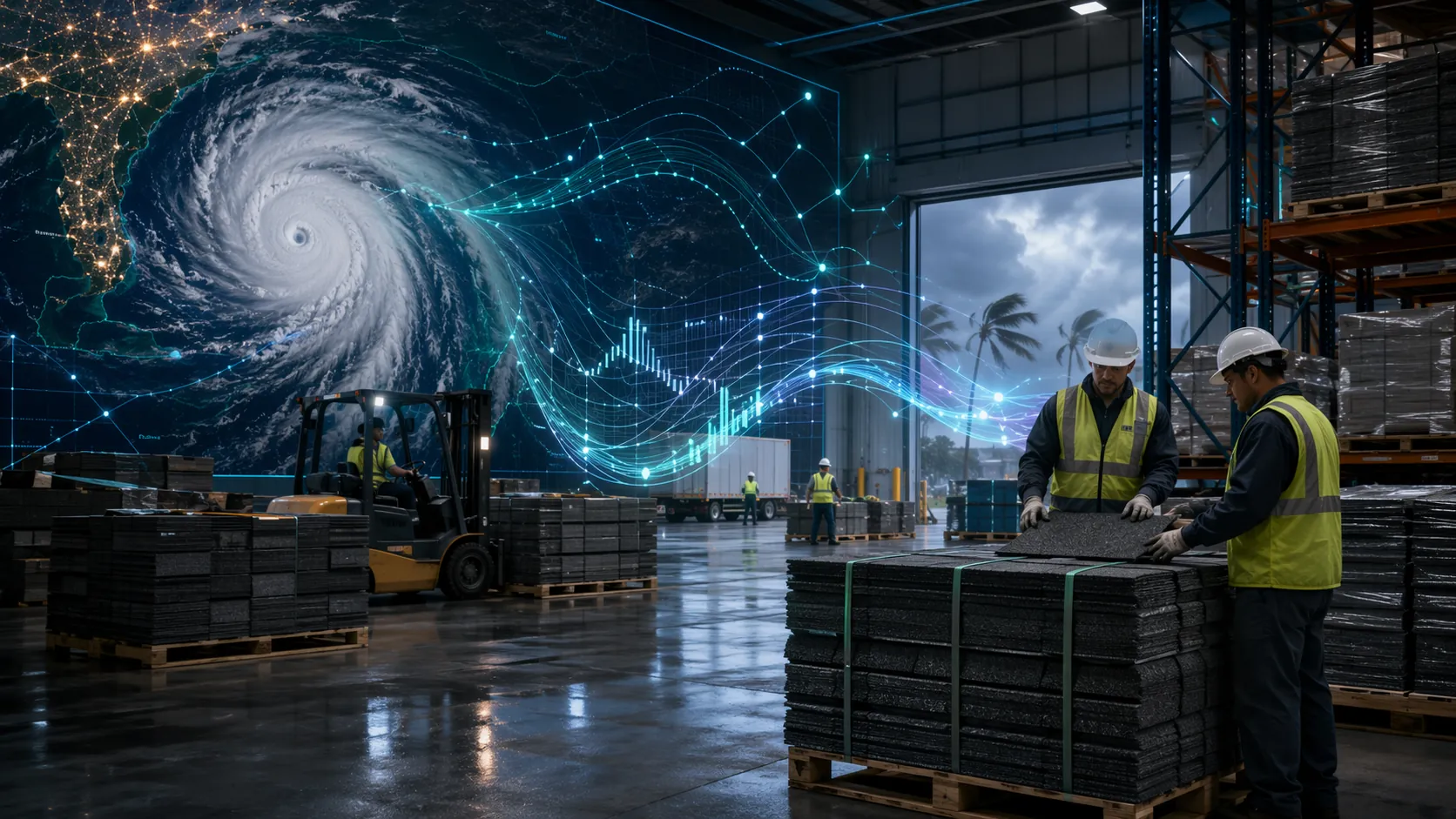
That number should not be read as an independent audit. The case study is vendor-published by ClimateAi, and the revenue attribution comes from the same source that supplied the forecasting technology. Still, the deployment record is unusually concrete for this category. It names the product constraint, the geography, the timing advantage, the operational response, and the commercial result. For planners evaluating weather intelligence, that is more useful than another abstract promise about resilience.
The Forecast Had To Become A Shingle Decision
A hurricane forecast by itself does not tell a roofing manufacturer what to buy, make, stage, or move. The business question is narrower: if destructive winds become likely in Florida, which SKUs will be needed, where can they legally be sold, which facilities can support the demand, and how much lead time remains before transportation and supplier capacity tighten?
ClimateAi’s described mechanism matters because it joined hurricane probability forecasts with industry-specific damage modeling through ClimateLens-Monitor. In other words, the platform was not only estimating a meteorological event; it was translating that event into a demand signal for roofing materials.[1]
That translation is where many weather-intelligence projects either become useful or stay decorative. A planner cannot reserve space, alter replenishment priorities, or explain an early inventory move to finance with a general warning that the season may be active. The signal has to narrow the decision. In this case, the relevant product was not just shingles. It was Florida-code-compliant shingles, placed near expected demand before the market had the same visible reason to chase them.
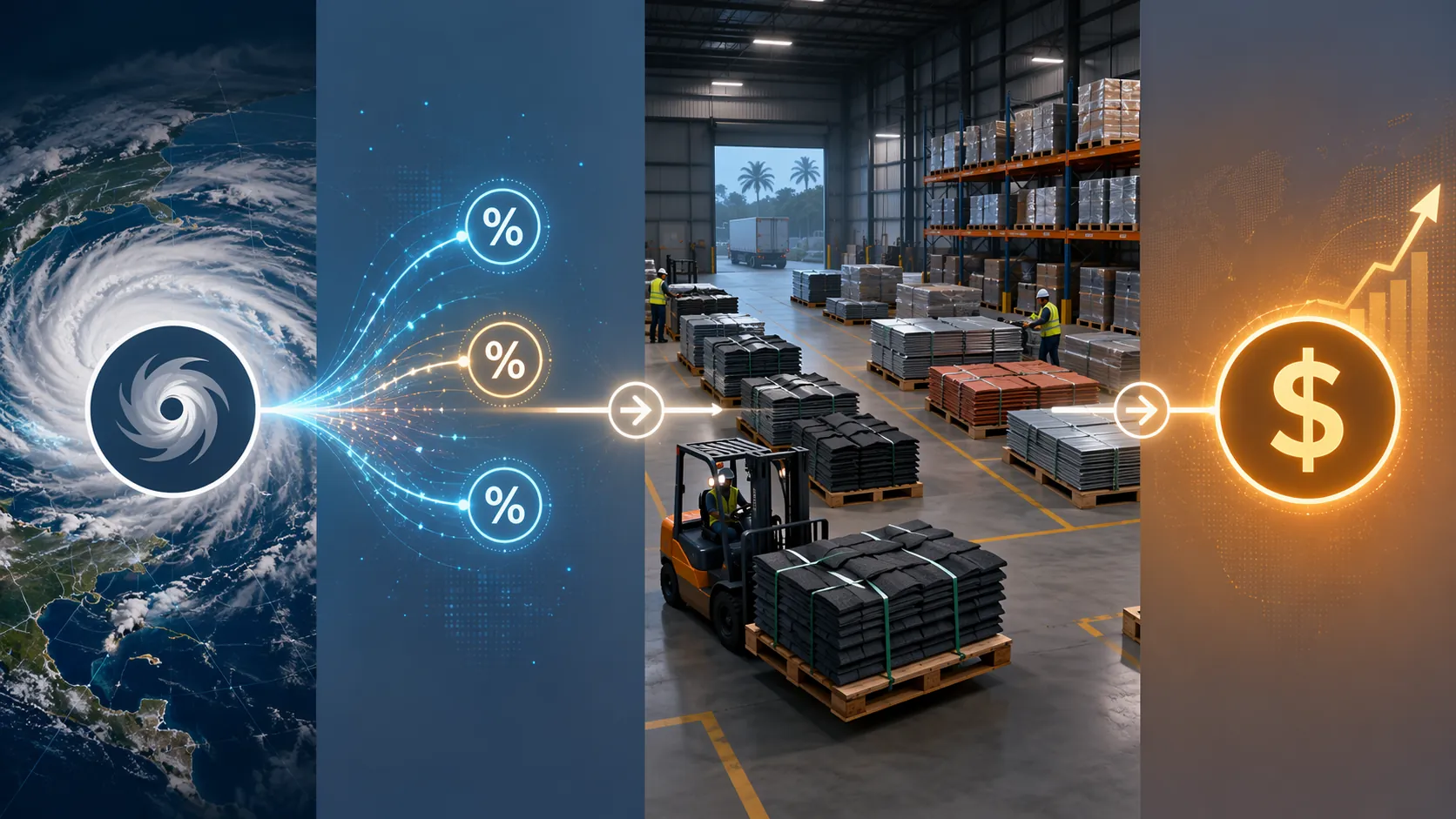
That distinction also explains why the weeks of lead time were commercially important. The manufacturer did not need certainty. It needed enough confidence to make a reversible but meaningful move before competitors were responding to a named storm, confirmed damage, or visible order surge. Early positioning carries its own risk: inventory can sit in the wrong place, service levels can suffer elsewhere, and planners can look overprepared if the storm misses. The case is valuable because the company acted while those risks were still real.
What Changed Operationally
The response described in the case study had two phases. First, the manufacturer moved Florida-code-approved shingles into nearby facilities before Hurricane Ian formed. Second, once the storm track confirmed, it ramped production to meet the demand that the earlier signal had anticipated.[1]
| Decision point | What the AI signal changed | Why it mattered commercially |
|---|---|---|
| Before formation | Raised the probability of destructive Florida winds above the historical baseline | Created permission to stage the right regional inventory before a named-storm rush |
| Before landfall | Focused the response on Florida-code-compliant shingles | Reduced the chance of having generic roofing stock that could not meet local demand |
| After track confirmation | Supported a production ramp tied to a now-confirming event | Helped convert early positioning into available supply when demand materialized |
The middle row is easy to underestimate. Building-code fit is not a cosmetic detail in disaster-driven demand. A pallet in the wrong region, with the wrong specification, may be visible inventory but not useful inventory. The case works operationally because the signal pointed to a product-market match: storm-damage demand in Florida, supplied with shingles approved for that market.
The VP of supply chain said the AI forecasts helped the manufacturer “react much faster” than competitors.[1] That is operator testimony, not proof that every competitor behaved the same way or that the model alone caused the sales gain. But it is the right kind of testimony to examine. The competitive advantage in this story was not perfect prediction. It was earlier allocation of constrained attention, capacity, and inventory.
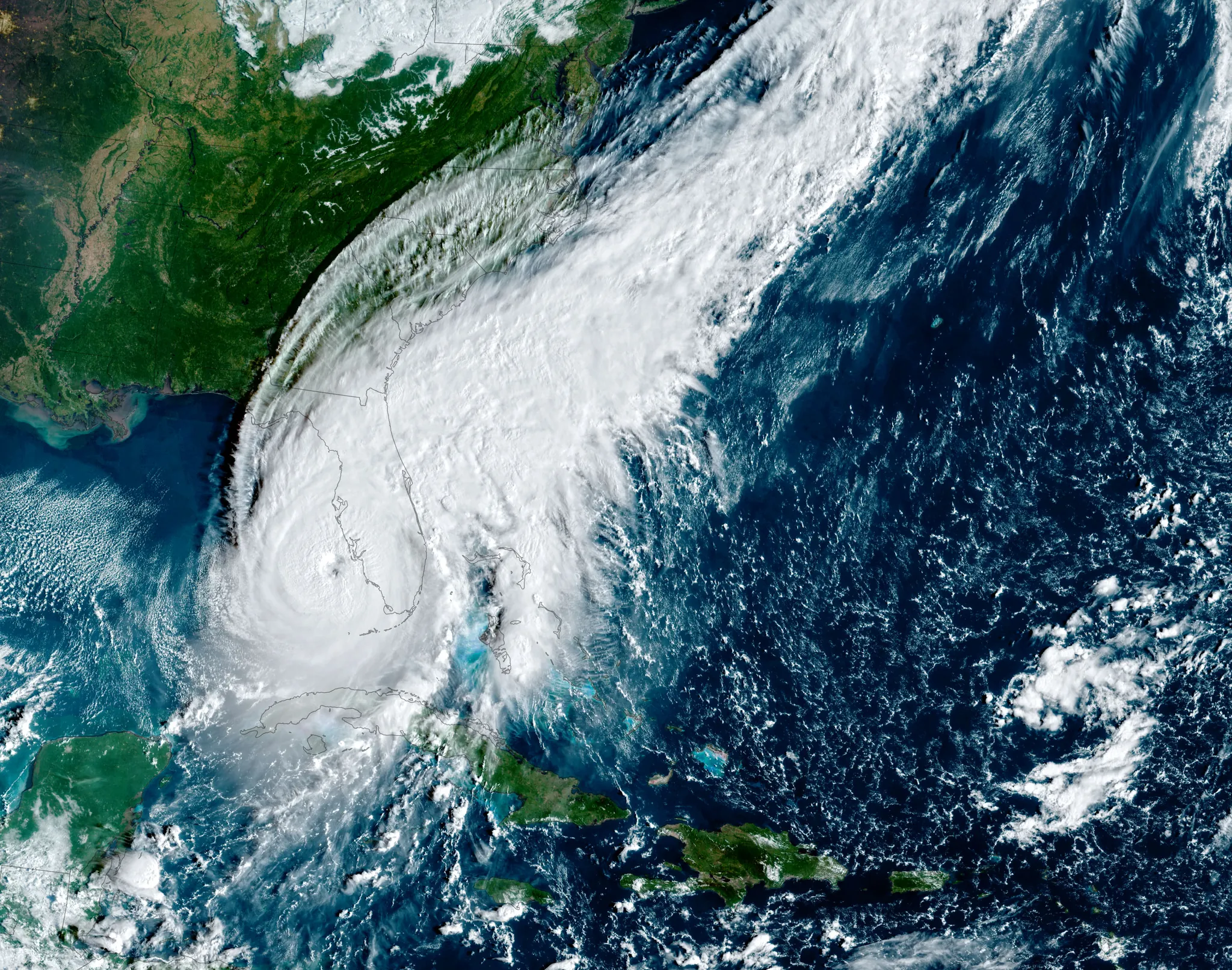
The $15 Million Claim Is Strongest When Read As A Decision Chain
ClimateAi attributes $15 million in incremental sales to the manufacturer’s AI-informed preparation for Hurricane Ian.[1] The cleanest way to read that figure is not as a standalone ROI trophy, but as the end of a chain: probabilistic early warning, damage-linked demand signal, SKU-specific staging, production ramp, available supply during a demand spike.
That chain gives procurement and planning leaders something to test during vendor evaluation. A model that improves meteorological accuracy but does not alter planning behavior may still be interesting, but it is harder to justify as a supply chain investment. A model that changes a replenishment recommendation, facility allocation, or production trigger can be evaluated against service levels, lost sales, expedite costs, and inventory risk.
The evidence is still bounded. The case does not disclose enough to separate every contributor to the $15 million outcome: baseline demand assumptions, exact inventory quantities, competitor stock positions, pricing effects, customer allocation rules, or post-storm fulfillment constraints. Those details would matter in an audit. For a shortlisting team, the more defensible takeaway is narrower: this is documented deployment evidence that an AI weather signal changed pre-storm inventory behavior and was associated by the vendor and customer with a material sales outcome.
Why The 2022 Case Still Matters For The 2026 Season
Hurricane Ian was a 2022 event, not a 2026 event. Its value for 2026 planning is that it shows what a useful deployment can look like when the forecast is converted into a product-specific demand signal before a storm forms. That matters even in a season expected to be quieter than normal.
NOAA’s 2026 Atlantic hurricane outlook predicts below-normal activity with a 55% probability.[2] That lowers the expected count environment; it does not remove concentrated exposure in Gulf and Southeast logistics corridors. A smaller season can still produce the one storm that determines whether roofing materials, generators, fuel, medical supplies, or repair parts are staged close enough to serve demand.
ClimateAi’s separate hurricane-season discussion describes broader AI use cases around de-risking supply chains and capturing new opportunities during hurricane season.[3] Those applications may be relevant for categories beyond roofing, but the roofing case should remain the anchor because it shows the full sequence from weather probability to commercial action. Readers who need the wider capability map can also review ChainSignal’s overview of AI severe-weather prediction for supply chain resilience.
What To Ask Before Treating This As Transferable
The roofing deployment supports a serious business case for AI weather intelligence, but only under certain conditions. The forecast has to arrive early enough to change lead-time-bound decisions. The output has to be specific enough to point toward SKUs, facilities, suppliers, lanes, or labor. The organization has to be willing to act on probability, not wait for certainty. And the commercial result has to be measured against the right counterfactual: what would have been unavailable, late, over-expedited, or lost without the earlier signal?
- Can the model translate a storm probability into demand by product, region, and timing?
- Does the vendor distinguish forecast confidence from recommended inventory action?
- Which planning decisions can actually change weeks ahead: production, transfer, supplier commitment, facility staging, or transportation capacity?
- How will the company measure avoided lost sales, service improvement, inventory misplacement, and expedite cost after the event?
- What happens when the model sees a storm pattern that does not resemble the historical data it learned from?
That last question belongs near the business case, not in the fine print. AI weather intelligence depends on historical training data, and unprecedented storm behavior can weaken the assumptions behind a forecast. The Hurricane Ian case is strong evidence that probabilistic weather intelligence can create measurable supply chain value when it becomes an inventory decision ahead of formation. It is not proof that every storm track, intensity pattern, or damage profile will be equally predictable.
For 2026 procurement teams, the useful test is practical: can a vendor’s weather model produce a demand signal specific enough to change what the business buys, makes, stages, or moves before competitors see the same disruption?
Comments
Join the discussion with an anonymous comment.