
Manila is a good stress test for airline route planning because Ninoy Aquino International Airport is not a flexible growth hub. Philippine Airlines has already been pushed to end Manila turboprop operations and move those routes to Clark and Cebu as slot pressure and the March 2026 turboprop restriction tightened the hub's operating envelope [1].
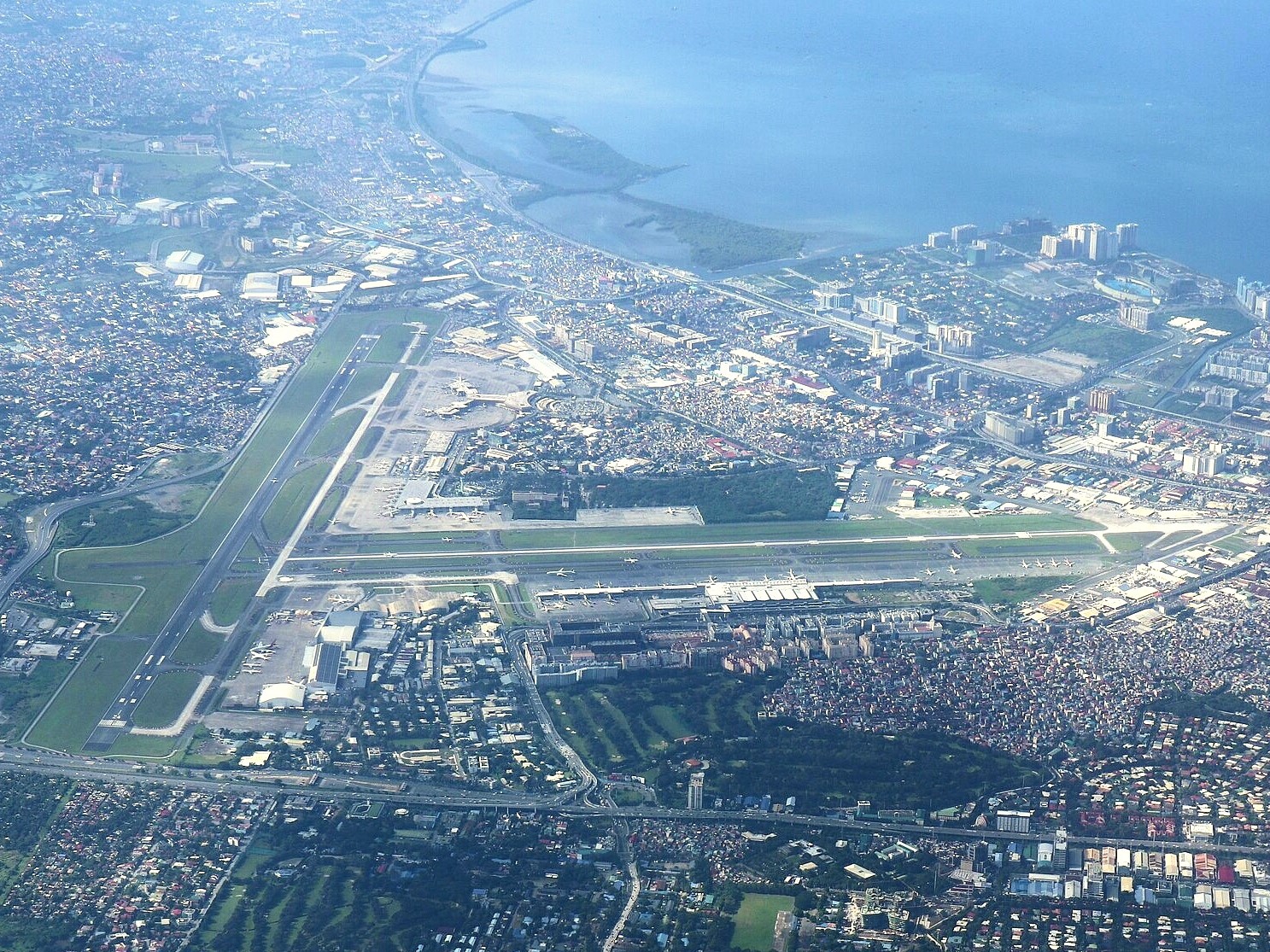
That changes what optimization means. At a constrained airport, AI does not create new departures; it helps decide which routes deserve scarce slots, which aircraft type should use them, how much fuel a schedule can save, and what fare levels justify keeping the service. The value is less about abstract automation than about making each turn, pairing, and departure harder to waste.
What PAL is actually deploying
The useful part of the Philippine Airlines story is that it is not one grand route-planning brain. It is three separate deployments aimed at the same bottleneck.
- Lido Flight 4D handles automated flight planning and rule-based dispatch automation, which matters because it lets dispatchers spend more time on exceptions instead of repetitive filing work [2].
- SkyBreathe turns fuel behavior into operating savings. In PAL's case study, the airline reported 3.7 million kg of fuel saved, about $4.1 million over nine months, and 11,629 tonnes of CO2 reduction, and it said it was the first airline in Asia to deploy SkyBreathe OnBoard Direct Assistant [3].
- AirGain adds daily route-level competitive pricing intelligence across 300+ airlines and 170+ OTAs, which helps revenue teams judge whether a slot can be monetized well enough to keep [4].
Read together, those systems form a constraint-management stack. One shortens the time needed to build a legal plan, one trims burn after the plan is filed, and one keeps the commercial team from assuming every departure is equally valuable. That is a much more grounded story than the usual AI route-planning pitch.

What the outside benchmarks actually show
Alaska Airlines gives the cleanest outside benchmark. In its Flyways program, the airline says 55% of flights were AI-optimized, longer flights over four hours saw 3-5% fuel savings, dispatchers saved 2.7 minutes per flight, and the program cut 1.2 million gallons of fuel in 2024 [5]. That does not prove Manila would produce the same numbers, but it does show that route optimization can become operationally visible when it is tied to real flight plans instead of a slide deck.
- European carriers are treating the same category more carefully. Aviation Week reported that airBaltic cut route analysis from half a day to 10 minutes with Claude, but carriers including Wizz Air, airBaltic, SAS, and Binter still kept humans in the launch decision and none said they opened a route solely because an AI model recommended it [6].
- BCG's 2025 view is more aggressive on economics, projecting a 5-6 point operating margin advantage for AI-first airlines by 2030 while also saying only 1 in 36 airlines qualifies as AI-future built [7].
That tension is probably the right one. Manila shows why AI route planning becomes more valuable when slots are scarce and regulation changes the equipment mix. But the credible operating model is not autonomous route strategy. It is AI-assisted network discipline: faster analysis, clearer tradeoffs, less fuel leakage, and a better shot at making each Manila slot pay for itself.
References
- Philippine Airlines to end Manila turboprop ops in late 1Q26 - ch-aviation, February 2026
- Philippine Airlines adopts digital fleet planning with Lufthansa - IT Brief Asia, September 2025
- Case Study: Philippine Airlines steps up to fuel efficiency with an intelligent solution - Aircraft IT, Winter 2022
- Philippine Airlines Partners with RateGain for AI Pricing - RateGain, July 2026
- How AI is helping Alaska Airlines plan better flight routes and lower emissions - Alaska Airlines newsroom
- European Carriers Take Cautious Approach To AI In Route Planning - Aviation Week, May 2026
- Redesigning Workflows: The AI-First Airline - BCG, 2025
Comments
Join the discussion with an anonymous comment.