
The buildout is huge, but it is not instant relief
The latest AI chip supply chain investment trends are big enough to look like relief, but they are still mostly a story about future capacity, not current availability. The Semiconductor Industry Association says announced private semiconductor investment has reached $770.8 billion across more than 160 projects in 30 states since 2020, with $33 billion in CHIPS Act grants awarded to 35 companies [1]. That figure covers the broader semiconductor supply chain, not AI chips alone.
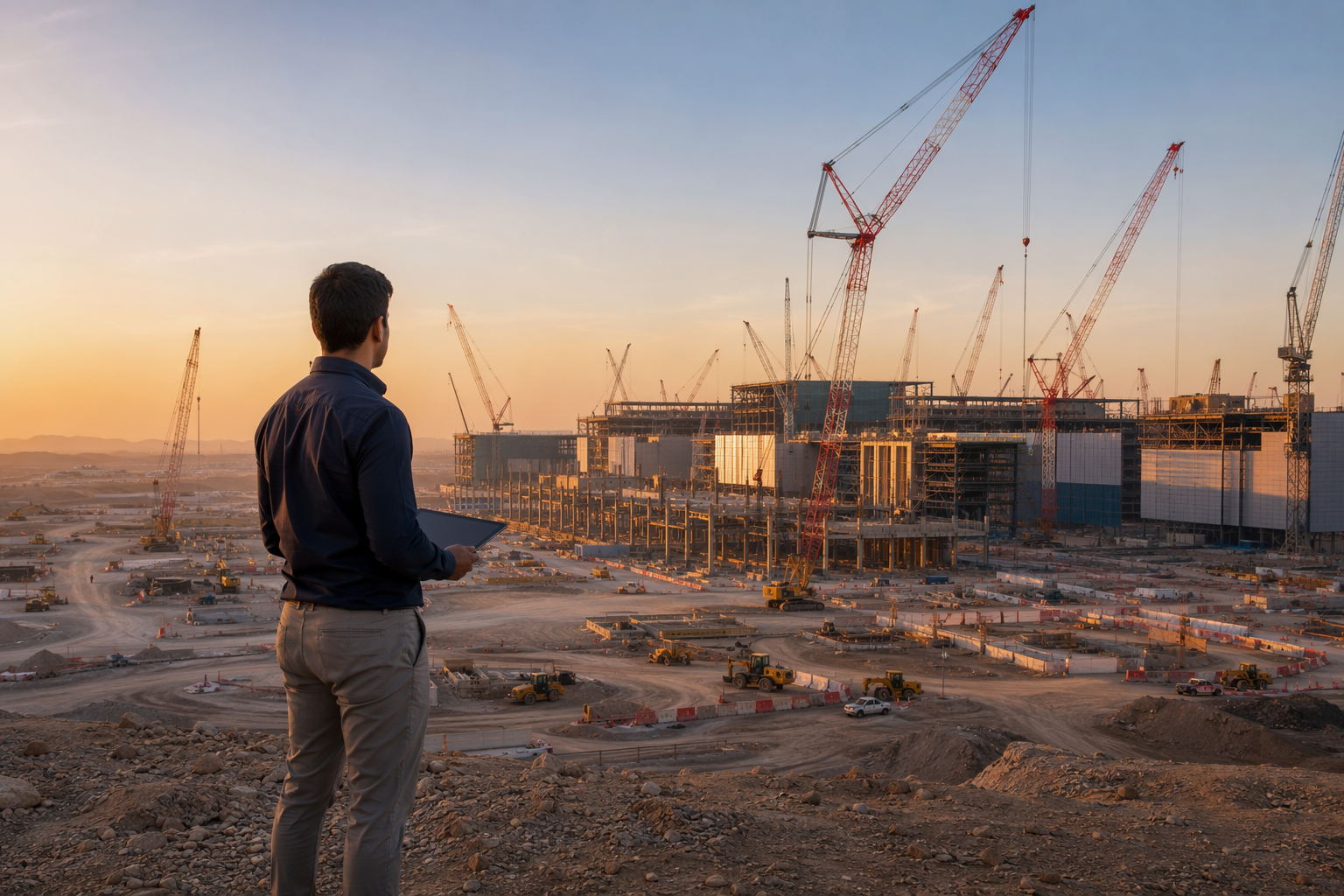
That map matters because the money is concentrated in a few very large commitments - TSMC's $165 billion Arizona plan, Intel's $100 billion-plus multi-state buildout, Samsung's $17 billion-plus Texas project, and Micron's $250 billion-plus path through 2035 - which means the buildout is real, but it arrives in phases rather than as instant supply for every chip buyer [1].
Advanced capacity is being pulled toward AI buyers first
The first chips off those ramps are already spoken for. Deloitte estimates hyperscalers will spend about $500 billion on AI data centers in 2026 alone [2]. In a separate Deloitte analysis, AI accelerators account for roughly 50% of semiconductor revenue while making up less than 0.2% of unit volume, which is exactly why industrial buyers can feel the squeeze even when the market looks flush on paper [3].
The market-wide numbers point the same direction, even if the total varies by scope. Deloitte sees semiconductor sales at $975 billion in 2026, IDC puts the market at $1.29 trillion, and Gartner's estimate is above $1.3 trillion [2][5][6]. Those differences are methodological, not a sign that the cycle is cooling.
A 2025 Prologis/Harris Poll survey of 1,800 executives found 75% named AI their top 2026 capital investment priority, while 58% expected localized supply chains by 2030 versus 31% who expected globalization to continue [4].

Execution still depends on labor, not just capital
The second brake is execution. Deloitte says the industry will need more than 1 million additional skilled workers by 2030, and SIA warns that 67,000 of 115,000 new U.S. semiconductor jobs risk going unfilled [2][1].
That gap is why a new fab can be announced, financed, and even physically visible long before its output is useful to a procurement team. Staffing, equipment install, qualification, and ramp sequencing all sit between capital spending and the first reliable shipment.
What this means for the next buy
For procurement, the practical read is simple: the supply-demand gap is still open, and the first meaningful relief is more plausibly a late-2026-to-2028 story than a near-term one [1][2][3]. Waiting for the new fabs to solve lead times is a poor bet if the next production run depends on AI chips, memory, sensors, or embedded processors that have to clear competing demand first.
- Pull RFQs and hardware lock-ins forward for critical SKUs that have long qualification paths.
- Qualify alternate suppliers and package or board-level substitutes now, before allocation tightens.
- Separate must-have performance requirements from nice-to-have specs so a second-source part can still pass review.
That is the procurement reality hidden inside the capital wave: the money is real, the buildout is historic, and the chips most buyers need still get rationed by higher-priority demand before they get easier to buy. Teams that adjust timelines and diversify sources now will be dealing with scarcity on purpose rather than by surprise.
References
- Semiconductor Supply Chain Investments - Semiconductor Industry Association - July 2026
- 2026 Global Semiconductor Industry Outlook - Deloitte Insights
- New Supply Chain Tech - Deloitte Insights
- Supply Chains, 2026: Less Globalization, More AI - Forbes - October 4, 2025
- Semiconductor Market to Surge Past the Trillion-Dollar Threshold - IDC
- AI's Chip Boom Is Creating Labor And Supply-Chain Problems - Forbes - May 15, 2026
Comments
Join the discussion with an anonymous comment.