ChainSignal logoChainSignal
Subscribe

Flagship evidence library

Post-Mortems

The flagship section and ChainSignal's primary moat: named, dated, numbers-backed accounts of real supply-chain AI/planning deployments (o9, Blue Yonder, Kinaxis, RELEX, Anaplan, SAP IBP, Oracle SCM and others), each documenting what was deployed, what happened, and what it cost or saved. Every entry is sourced from public record (earnings calls, lawsuits, layoffs, trade press, executive interviews, SEC filings) with visible dates and citations — never fabricated or extrapolated. Boundary: this group holds only deployment-specific accounts tied to a named organization and a named vendor; generic industry commentary without a named case belongs in Use-Case Analyses, and forward-looking checklists belong in Implementation Readiness. Serves the trust and verification stage of the decision journey and is the evidence base that Readiness and Use-Case content link back into.

34 documented deployments

How a ransomware attack halted Fairlife's $4B dairy supply chain
undocumented

Fairlife

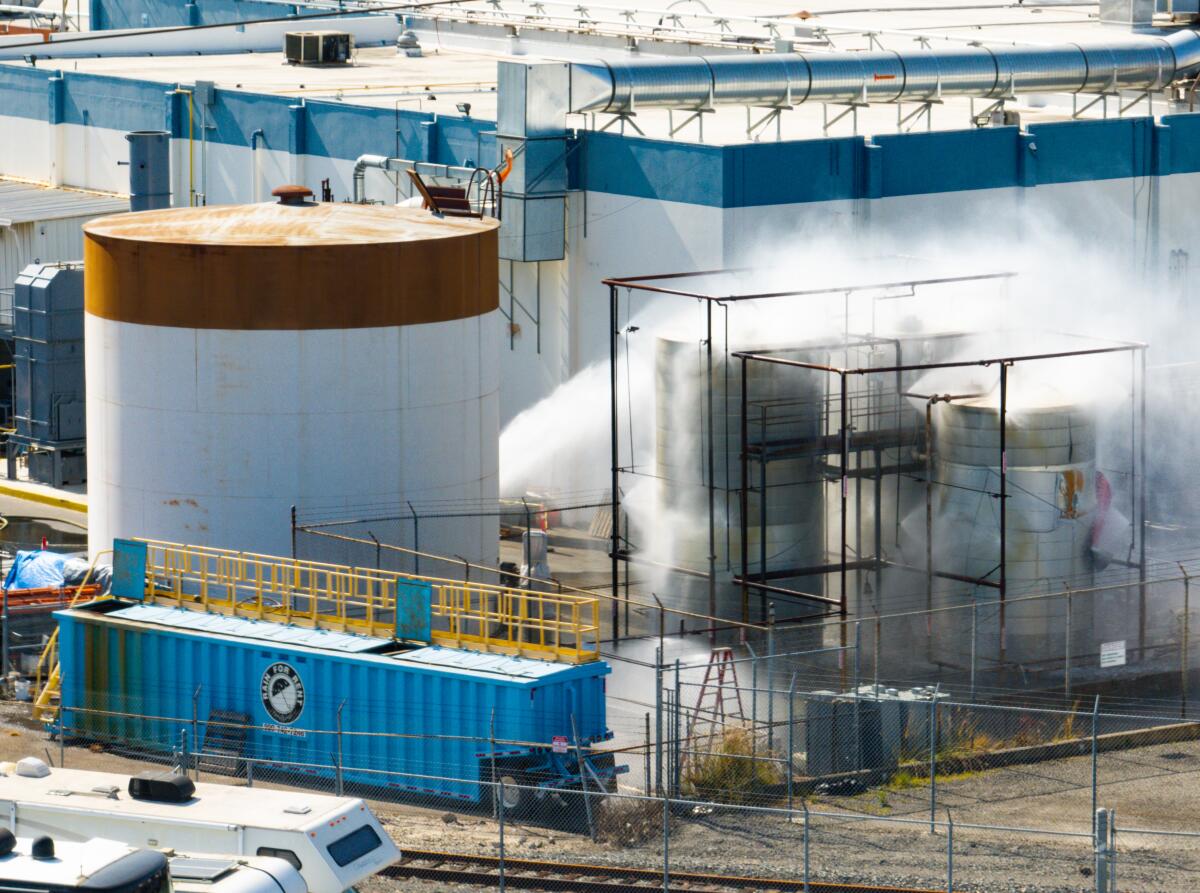
In July 2026, a ransomware attack on Fairlife forced a nationwide production shutdown across three facilities, exposing how IT-OT convergence makes food supply chains vulnerable to physical disruption from cyber incidents. This case study traces the incident from the SEC filing through supply chain impact and offers lessons for food and beverage manufacturers strengthening cyber resilience.


Why AI Could Have Prevented the Fairlife Ransomware Attack
undocumented

Fairlife (Coca-Cola)

The July 2026 Fairlife ransomware attack halted Coca-Cola's dairy production across three states, exposing critical vulnerabilities in food manufacturing's converging OT/IT environments. This case study examines how a layered AI security architecture—including network detection, behavioral anomaly correlation, and automated containment—could have detected lateral movement and contained the breach, providing supply chain security leaders with sector-specific evidence for AI security investment.

How a ransomware attack shut down Fairlife's $4B dairy supply chain
undocumented

Fairlife

This case study examines the July 2026 ransomware attack that halted production at Coca-Cola's Fairlife dairy unit, revealing how OT-targeted cyberattacks cascade through perishable supply chains and what food manufacturers must do to prepare for prolonged cyber-induced downtime.

How AI Disruption Planning Could Have Prevented the Garden Grove Chemical Crisis
undocumented

GKN Aerospace

The May 2026 GKN Aerospace Garden Grove chemical leak exposed critical single-source supply risks in aerospace. This case study examines how AI-driven scenario planning and predictive monitoring could have reduced detection time and pre-identified mitigation options, offering supply chain leaders a concrete blueprint for investing in disruption planning tools.

How Walmart, Zara, and Amazon Approach Predictive Analytics Differently
undocumented

Walmart, Zara, Amazon

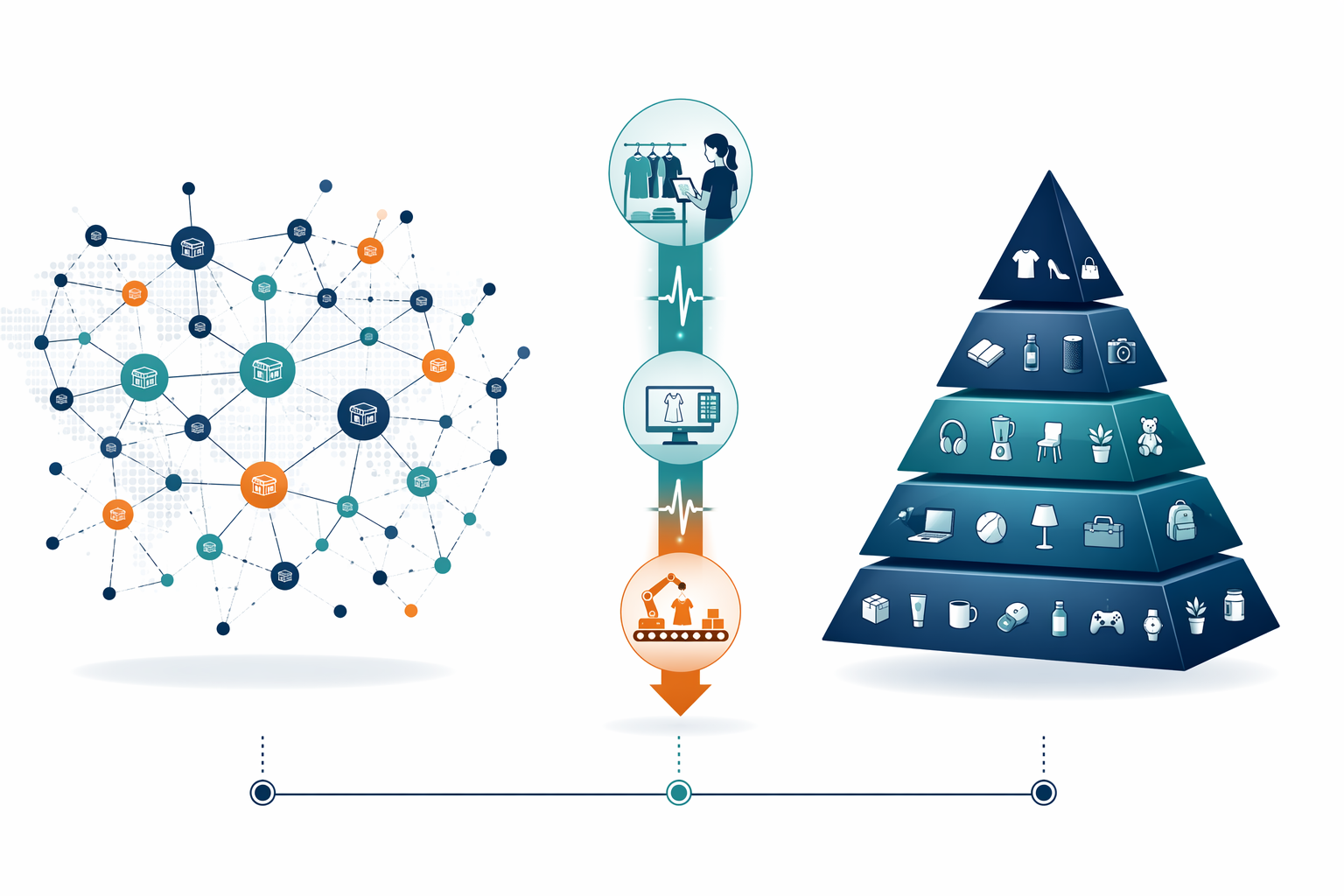
This case study examines the distinct predictive analytics architectures of Walmart, Zara, and Amazon, showing that each retailer's approach aligns with its competitive focus—breadth, speed, or catalog depth—providing a benchmark for senior supply chain leaders evaluating their own AI strategy.

14 AI in Logistics Deployments That Delivered Measurable Results
undocumented

Amazon, Walmart, Uber Freight, GXO, JD Logistics, Ocado, Fujitsu, Frito-Lay/PepsiCo, Lenovo, Metro Shipping

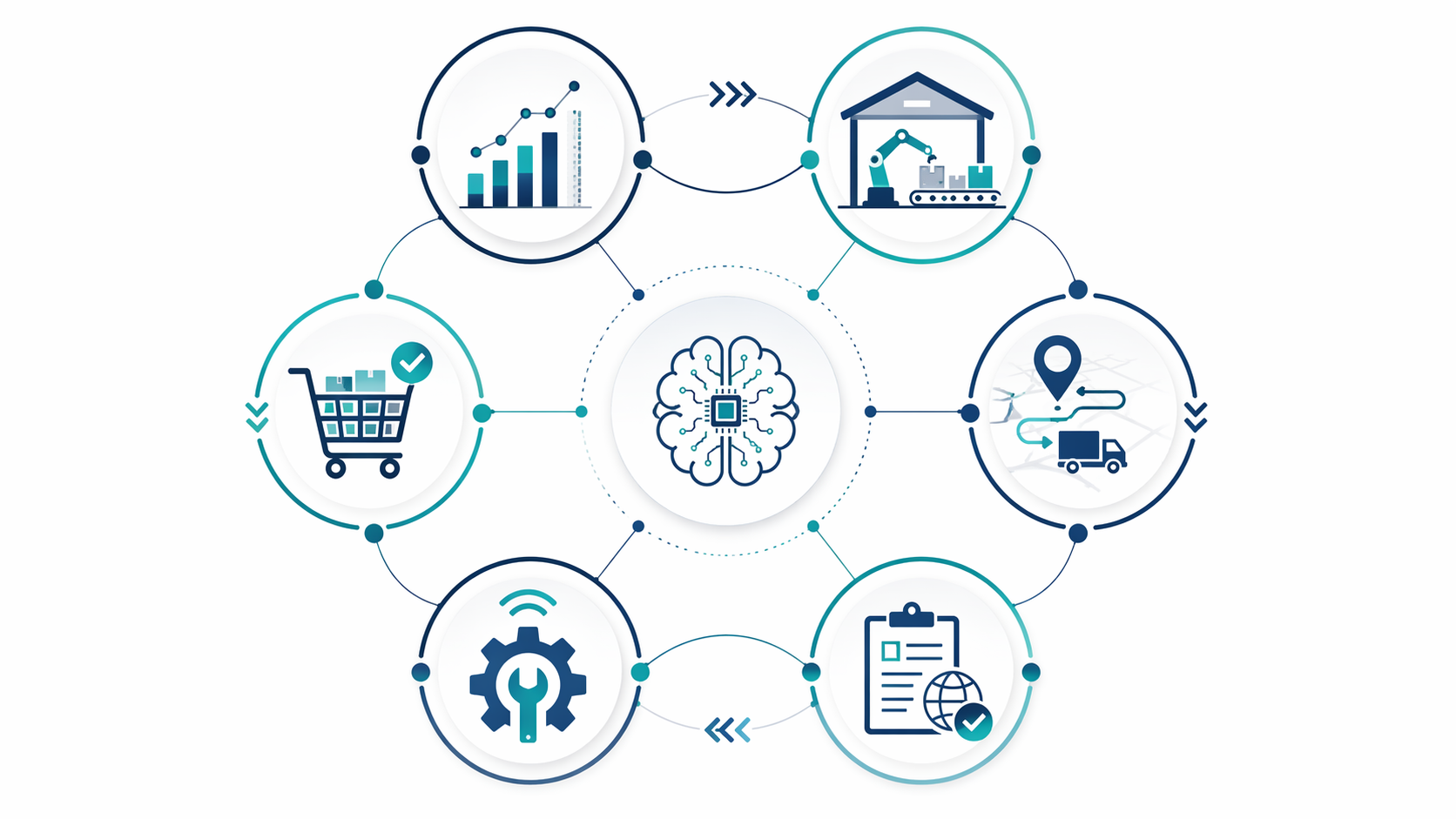
A structured reference of 14 named-company AI in logistics deployments across six functional domains, each with source-attested metrics on cost savings, efficiency gains, and ROI to support internal business cases.

Why 70% of Supply Chain AI Projects Fail — And What the Successful 30% Do Differently
undocumented

Bünting Group

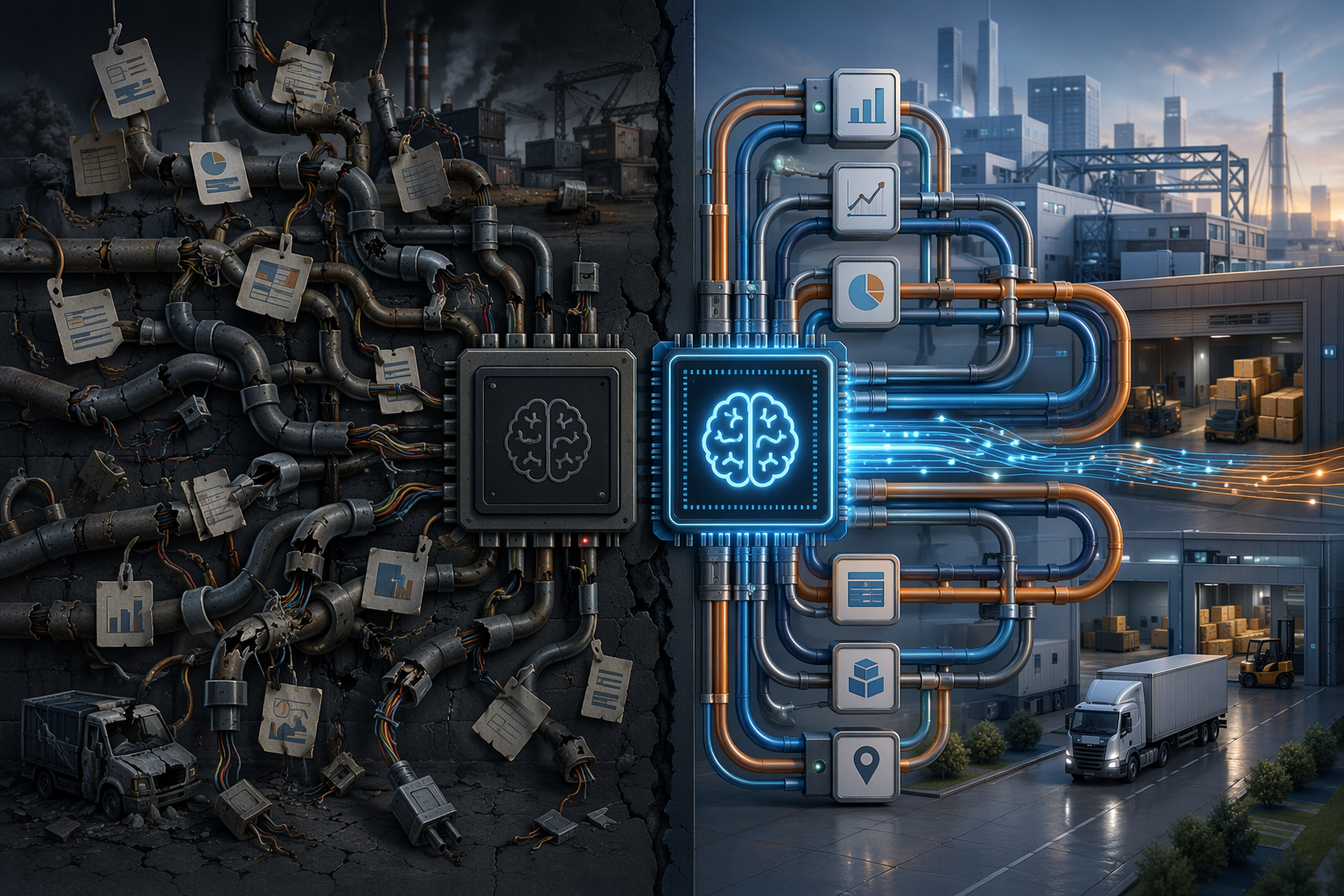
This article examines why most supply chain AI projects fail due to data quality issues, drawing on real-world case studies to show how companies that invest in data infrastructure first achieve superior ROI.

13 Real-World AI Deployments in Supply Chain: Company by Company Results
undocumented

Multiple (Amazon, Walmart, UPS, Ocado, Frito-Lay, Lenovo, Maersk, GXO, JD Logistics, Metro Shipping, Zara, Unilever, DHL)

This article profiles 13 named companies — Amazon, Walmart, UPS, Ocado, Frito-Lay, Lenovo, Maersk, GXO, JD Logistics, Metro Shipping, and others — that have deployed AI across demand forecasting, route optimization, warehouse automation, predictive maintenance, supplier risk, and customs clearance. Each entry documents the operational problem, the AI solution applied, and the quantified, source-attributed outcome. Designed for supply chain directors and procurement leaders building business cases and vendor shortlists.

The AI Strategy Gap in Warehousing: Why 94% of Companies Plan to Deploy But Only 23% Have a Formal Plan — and How to Fix It
undocumented

NSG Group

A prescriptive guide for supply chain leaders on closing the warehouse-specific AI strategy gap — covering the five dimensions of a scalable AI strategy and a 90-day action plan to move from intent to execution.

10 Real-World AI-Powered Supply Chain Deployments: Metrics, Timelines, and Lessons from Amazon to Frito-Lay
undocumented

Multiple (Amazon, Walmart, GXO, JD Logistics, Frito-Lay, Lineage Logistics, Metro Shipping, Rastelli Foods, Maersk, Blount Fine Foods)

Supply chain leaders need attributable, numbers-backed evidence to build an internal business case for AI. This article aggregates 10 cross-industry deployments — from Amazon to Frito-Lay — with specific metrics, source citations, ROI timelines, and implementation lessons for each.

From Pilot to Production: How Procurement Teams Are Actually Deploying AI
undocumented

Workwear Outfitters, World Market, Lands' End, Walmart, Pentair, Kärcher

Only 4% of procurement AI pilots reach large-scale deployment. This article for procurement transformation leaders reveals the five patterns that separate successful teams from the 95% that stall, grounded in independent research and real company examples.

Why Most Supply Chain AI Initiatives Fail — and What the 4% of Leaders Do Differently
undocumented

Fortune 500 manufacturer

An evidence-based failure analysis for supply chain leaders: why 89% of AI investments underdeliver, the three root causes that separate the 4% of successful organizations from the rest, and a five-step readiness framework grounded in the PwC 2026 Digital Trends survey.

Blogarama - Blog Directory